Elon Musk Drops Bombshell: AI Has Reached a Shocking Limit!

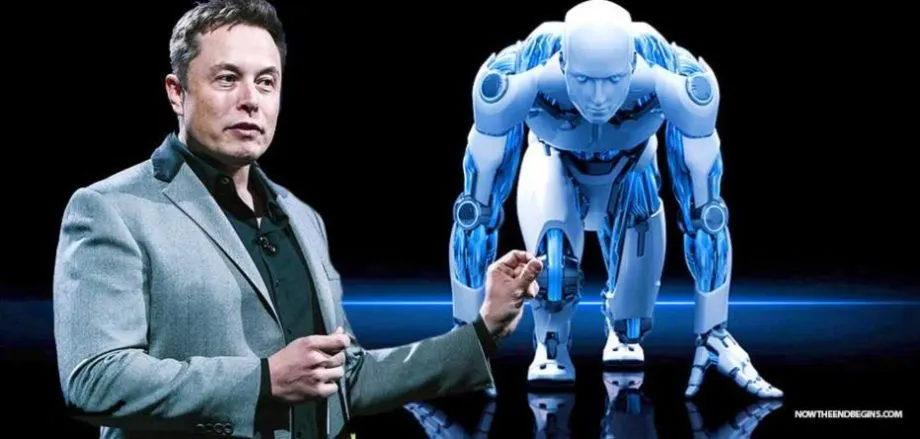
Elon Musk has made a bold claim: AI training models have already consumed all available human-generated data and must now rely on synthetic data to continue evolving.
In an interview published on January 9, the billionaire stated that AI developers have exhausted human knowledge as a source for training. “All the data and knowledge created by humans has been exploited in the process of training AI. This has been happening since last year,” Musk explained.
With human-created data running low, Musk believes the only viable solution is synthetic data—content generated by AI itself. He likened the process to writing an essay, grading it yourself, and using that feedback to build new knowledge.
Tech Giants Are Already Using Synthetic Data
Musk’s concerns are not theoretical. Leading technology companies, including Meta, Microsoft, Google, and OpenAI, have already incorporated synthetic data into their AI training processes. These companies are using AI-generated content to refine and enhance their models, ensuring continued progress in machine learning.
However, relying on AI to generate its own training data raises concerns about accuracy, bias, and misinformation.
The Risk of AI “Hallucinations”
One of the biggest risks of using synthetic data is AI hallucinations—a term that describes situations where an AI model generates false, misleading, or nonsensical outputs.
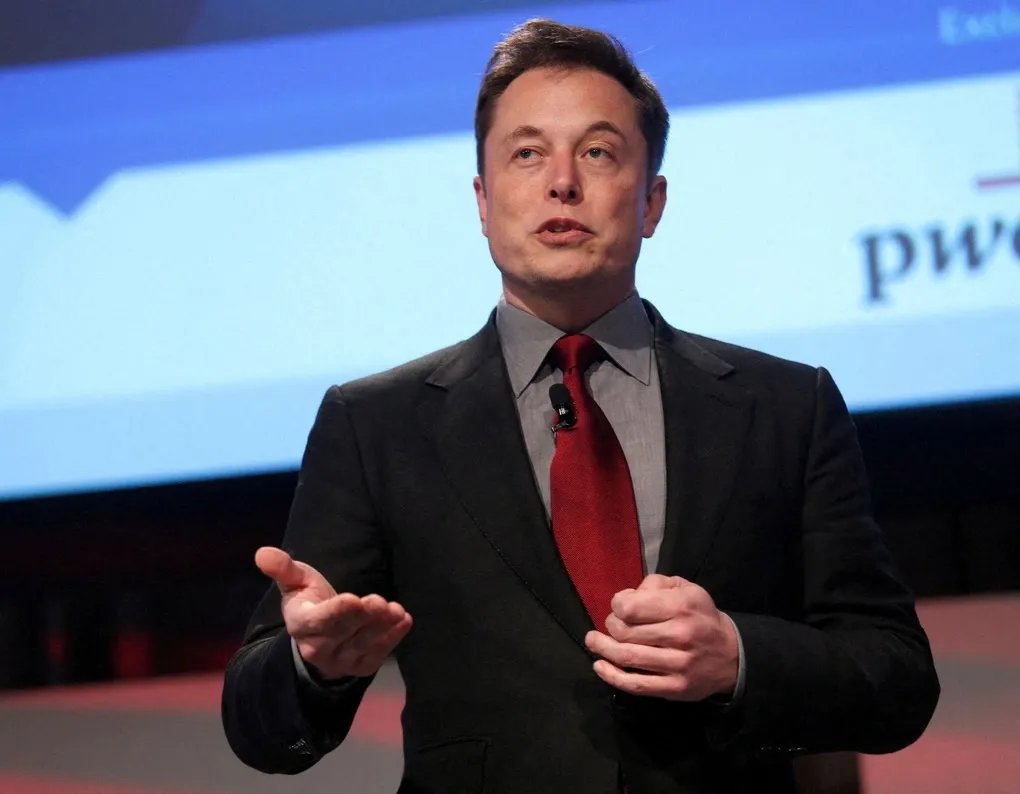
Musk warned that as AI increasingly relies on self-generated data, it may become difficult to distinguish between real and fabricated information. “Hallucinations pose many challenges to the process of using synthetic data because it is impossible to know whether what the AI gives is a hallucination or the real answer to the problem,” he explained.
This issue is particularly concerning for applications that require high factual accuracy, such as medical research, law, and journalism.
Experts Warn of “Paradigm Collapse”
Musk’s comments align with concerns raised by Andrew Duncan, Director of AI at the Alan Turing Institute in the UK.
Duncan pointed to a recent academic study estimating that publicly available human-generated data could be depleted by 2026. He warned that excessive reliance on synthetic data could lead to a “paradigm collapse”—a scenario in which:
– AI-generated content becomes increasingly inaccurate and biased
– Overall model quality declines
– Creativity is lost as AI recycles its own outputs instead of learning from new human insights
If AI systems are trained on flawed or repetitive synthetic data, they may become trapped in a loop of misinformation, reinforcing their own biases and errors.
Legal Battles Over Data Ownership and AI Training
As AI companies scramble for high-quality data, the battle over who controls valuable datasets is intensifying.
Last year, OpenAI admitted that its models, including ChatGPT, could not have been developed without access to copyrighted materials. This sparked backlash from publishers, authors, and creative industries, who argue that their content is being exploited without proper compensation.
With lawsuits and regulatory pressure mounting, the debate over who owns and profits from AI-generated knowledge is becoming a key issue in the AI boom.
The Future of AI: A Crossroads Between Innovation and Risk
The AI industry now faces a critical question:
– Will synthetic data push AI forward or create a self-reinforcing echo chamber of errors and misinformation?
Musk’s warning highlights the urgent need for new strategies in AI development—whether through better data sourcing, improved filtering of synthetic data, or stronger regulatory oversight.
As AI continues to evolve, balancing innovation, accuracy, and ethical considerations will be crucial in shaping the future of artificial intelligence.



Post Comment