Drake accuses UMG and Spotify of manipulating charts related to Kendrick Larma.
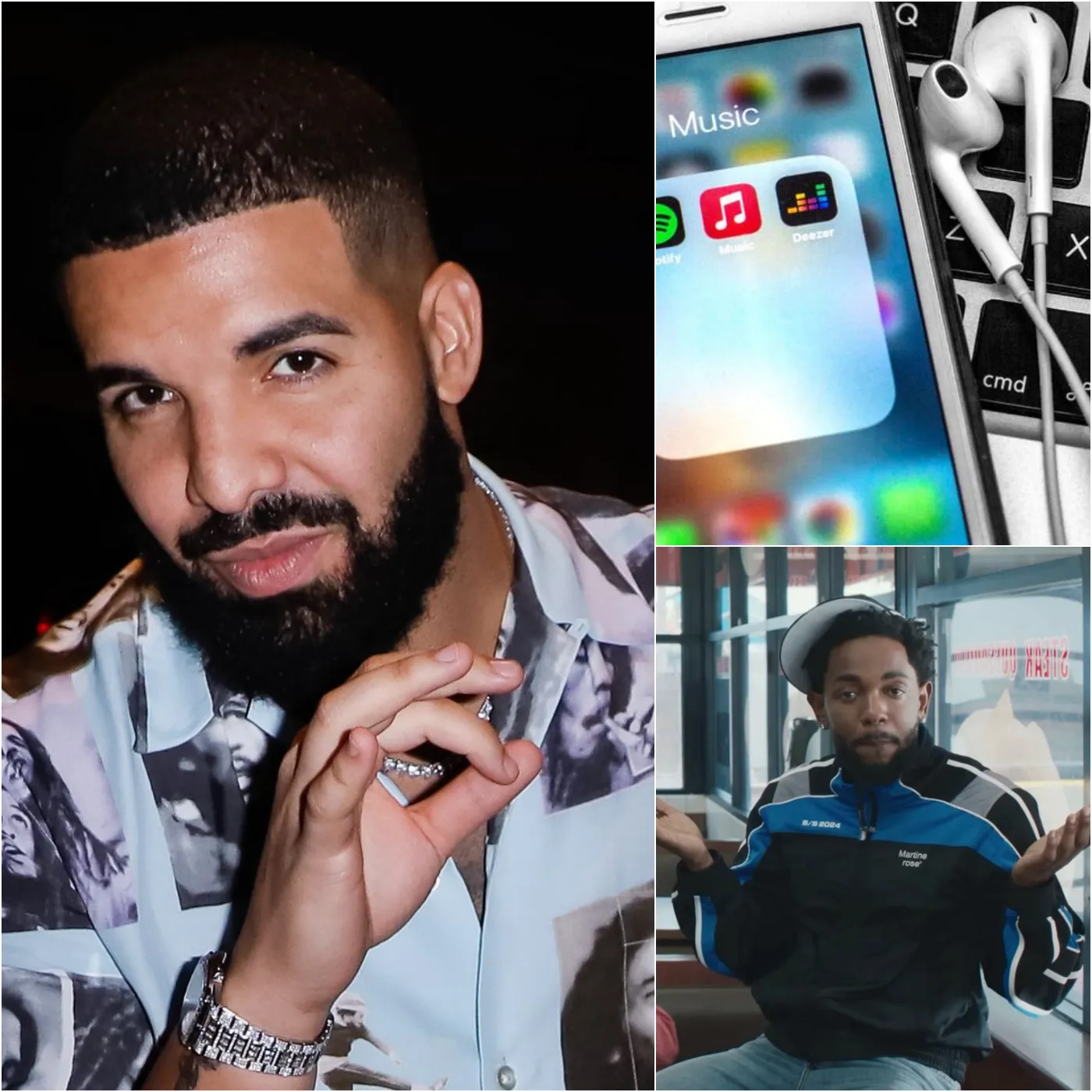
Recently, Drake made headlines by accusing UMG (Universal Music Group) and Spotify of plotting to “boost” the popularity of Kendrick Lamar’s track “Not Like Us.” This has sparked a significant debate within the music industry, especially regarding the role of streaming platforms like Spotify and major record labels in shaping the success of songs. In this article, we’ll dive into Drake’s accusations, analyze the factors involved, and explore the impact this incident could have on the modern music industry.
Drake Accuses UMG and Spotify of Manipulating Music Charts
In a recent conversation, Drake accused UMG and Spotify of being involved in a scheme to inflate the play counts of Kendrick Lamar’s “Not Like Us”. According to Drake, this manipulation not only impacts the music charts but also changes how other artists are recognized and acknowledged within the industry. This is a serious accusation, as Spotify is the world’s largest music streaming platform, and UMG is one of the biggest record labels.
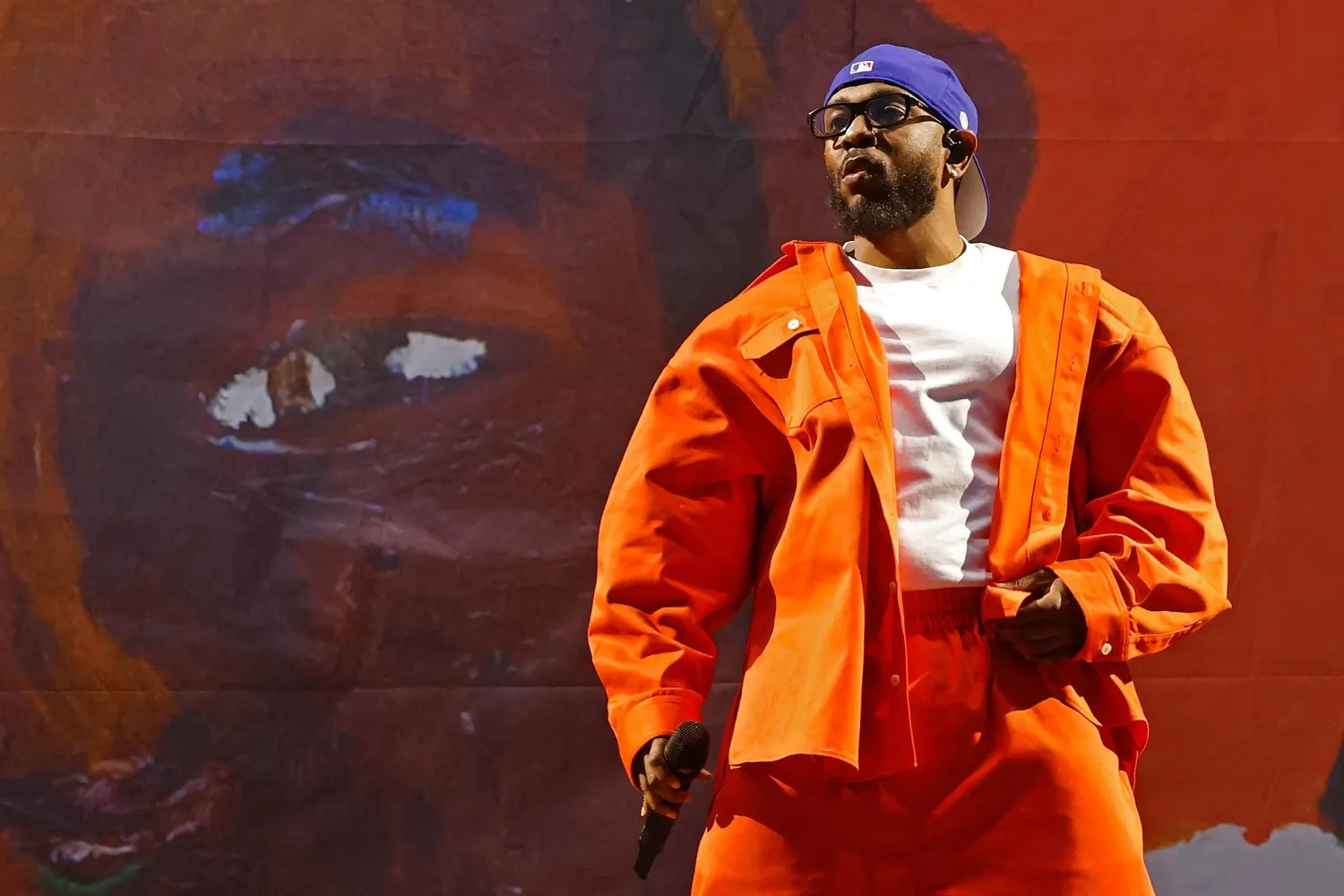
Spotify and UMG’s Possible Strategy
One of the key points in Drake’s allegations is the way Spotify and UMG could have used strategies to “increase streams” of “Not Like Us.” The use of prominent playlists, timing the song’s release to capitalize on peak listening hours, or even adjusting ranking algorithms to push the track higher on charts are all methods that could help boost a song’s popularity and streaming numbers.
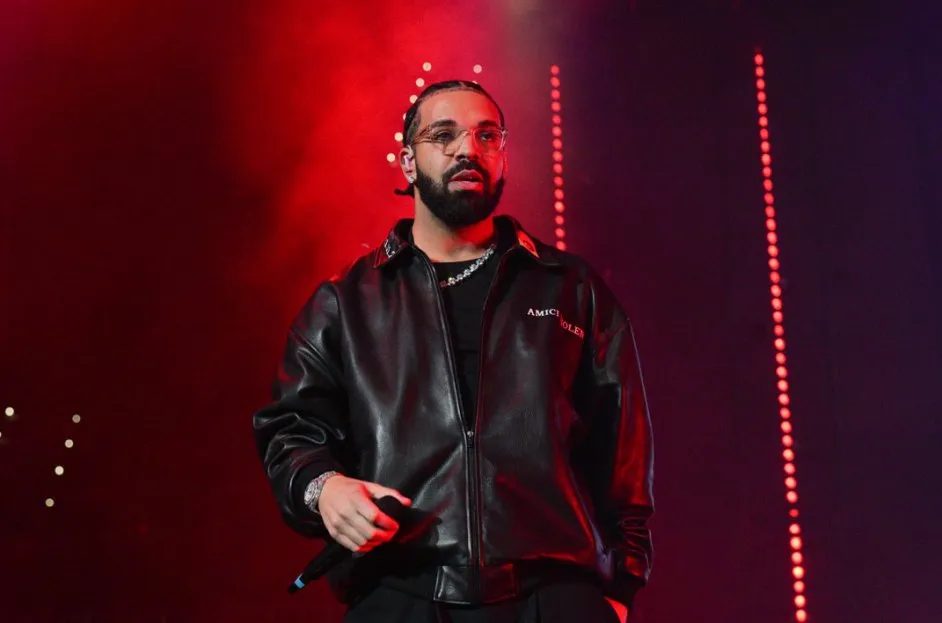
With Spotify‘s control over playlist management and recommendations, the platform has significant influence over music trends. This has raised concerns among artists and industry insiders about the fairness of how attention is distributed to various songs.
Transparency and Fairness in Music Charts
Drake’s accusations have sparked a larger conversation about the transparency and fairness of music charts. Critics argue that streaming platforms like Spotify and record labels such as UMG not only affect which songs make it into prominent playlists but also could manipulate the rankings on music charts. This raises concerns about fairness in how attention is allocated, creating a system where emerging or lesser-known artists might struggle to compete.
Fans and artists alike are questioning whether such marketing strategies diminish the true value of an artist’s music career. When a track becomes popular primarily due to preferential treatment on streaming platforms rather than the organic popularity or quality of the music itself, can that success truly be considered genuine?
The Relationship Between Artists, Record Labels, and Streaming Platforms
The ability of streaming platforms to significantly impact a song’s visibility also highlights an issue in the relationship between artists, record labels, and platforms like Spotify. In an industry where streaming numbers can determine an artist’s success, accusations like Drake’s could erode public trust in these platforms. The controversy raises important questions about fairness in music charts and the influence of streaming platforms in the success of songs. Although there is no concrete evidence to support these claims, it highlights the need for a more equitable music environment.




Post Comment