One Year Later: How 12th Album Changed Everything We Thought We Knew About Eminem

A Shockwave Through Hip-Hop Culture
When Eminem dropped “The Death of Slim Shady”, few could have predicted the cultural earthquake that followed. The album was not merely a collection of tracks; it was a funeral, a eulogy, and a resurrection all in one. A year later, fans and critics alike are still unpacking the layers and meanings behind this pivotal release. What made this album so transformative wasn’t just the lyrical content or production—it was the symbolic act of killing off Slim Shady, a persona that had defined Eminem’s identity for decades.
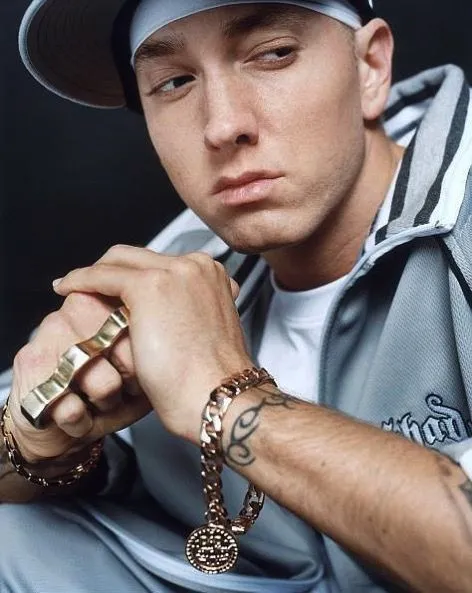
In truth, this was not the first time Eminem has reinvented himself. Yet “The Death of Slim Shady” felt different. It was not just about artistic evolution; it was a public reckoning with a troubled legacy. In one fell swoop, Eminem managed to blur the lines between confession, performance, and reinvention, and in doing so, he rewrote the narrative we thought we knew about his life, his persona, and his future in music.
The End of an Era—and the Beginning of Something Else
To understand how this album changed everything, one must first understand what Slim Shady represented. Slim was crude, chaotic, unapologetic, and brilliant—a figure of satire, aggression, and lyrical dexterity. But over time, the lines between Marshall Mathers, Eminem, and Slim Shady became blurred. Audiences didn’t just listen to the music; they projected real-life expectations and critiques onto a fictional character.
By choosing to symbolically “kill” this character, Eminem forced listeners to question the nature of identity in hip-hop. Was Slim Shady ever real? Or was he just a mask for Marshall Mathers to process trauma and rage? The album doesn’t offer clear answers, but that ambiguity is precisely what made it revolutionary. For the first time, the artist invited the audience to sit in the discomfort of uncertainty—and that choice marked a bold step toward artistic maturity.
Lyrical Introspection Unlike Anything Before
What also set “The Death of Slim Shady” apart was its lyrical depth. Rather than rely on shock value or celebrity jabs—staples of Shady’s earlier work—this album dove into Eminem’s psyche in ways we hadn’t seen before. Songs explored guilt, regret, aging, and emotional numbness, showcasing a level of vulnerability that was striking even for a rapper known for his raw honesty.
There were moments in the album where the writing felt like pages from a personal diary, laced with metaphors and existential dread. Themes of mortality, legacy, and accountability dominated the tracklist. Listeners weren’t just witnessing the end of a persona—they were being invited into the mind of a man grappling with the cost of being that persona for so long.
Eminem’s storytelling reached new heights as he revisited old wounds not to shock, but to heal. Critics who once dismissed him as gimmicky or juvenile found themselves re-evaluating his artistry. This wasn’t just a man venting on a mic; this was a master lyricist crafting a complex narrative of self-destruction and rebirth.
Production That Mirrors Transformation
Equally transformative was the production of the album. Gone were the cartoonish beats and exaggerated horrorcore sounds of early Shady records. In their place were minimalist, haunting instrumentals that complemented the introspective tone of the lyrics. Producers like Dr. Dre, Illadaproducer, and even Eminem himself crafted soundscapes that oscillated between eerie stillness and raw aggression—perfectly reflecting the psychological battle within the album’s themes.
Some songs incorporated elements of jazz, lo-fi hip-hop, and even ambient textures, signaling a musical evolution. This wasn’t a gimmick or a one-time experiment; it was a deliberate attempt to strip away excess and focus on emotion. The result was a more refined, yet still undeniably Eminem sound.
Listeners who had grown up with the rapper now found a version of him that had matured alongside them. The nostalgia was there, but it was intertwined with progress—a combination that made “The Death of Slim Shady” more than just a throwback; it was a declaration of artistic growth.
Redefining Accountability in Rap
One of the most controversial yet compelling aspects of “The Death of Slim Shady” was its willingness to confront uncomfortable truths. Throughout the album, Eminem didn’t just acknowledge his past missteps—he wrestled with them. From lyrics that hinted at his role in perpetuating misogyny and homophobia, to verses that questioned his influence on youth and pop culture, this was a rare instance of a hip-hop icon holding himself accountable without defensiveness or excuses.
Rather than issuing hollow apologies or performative statements, Eminem used his art to dissect the roots of his controversial legacy. It was a move that challenged the norms of a genre where bravado often overshadows vulnerability. In doing so, he opened the door for other artists to explore the idea that growth does not negate greatness—and that acknowledging harm can be a form of strength, not weakness.
Fans were divided—some praised his introspection, while others viewed it as betrayal or weakness. But whether you loved or hated this new direction, the fact remains: “The Death of Slim Shady” shifted the conversation about what it means to evolve in the public eye.
A Legacy Reborn
Perhaps the most profound impact of this album was the way it redefined Eminem’s legacy. For years, debates raged over whether he had already peaked, whether he was out of touch, or whether he had become a parody of his former self. With this release, those discussions changed. Suddenly, people were no longer asking if Eminem was “still relevant.” Instead, they were asking how many other artists could achieve such a deeply personal and stylistically daring project two decades into their career.
By killing off Slim Shady, Eminem didn’t just bury a character—he revived his creative spirit. It was a powerful reminder that reinvention is not only possible but necessary for longevity. The album became a blueprint for how legacy artists can adapt without pandering, reflect without self-pity, and grow without losing their edge.
What’s more, the record ignited renewed interest in his entire discography. Listeners began revisiting early albums with fresh ears, hearing the foreshadowing of themes that had once gone unnoticed. It encouraged a recontextualization of his body of work—not as disjointed eras, but as a continuous journey toward understanding and evolution.
Impact Beyond Music
The ripple effect of “The Death of Slim Shady” extended far beyond the realm of music. Its themes of identity, accountability, and transformation sparked discourse in cultural studies, psychology, and even politics. College courses dissected its lyrics. Think pieces flooded media outlets, analyzing how Eminem had become a symbol for aging in hip-hop—a genre often obsessed with youth and novelty.
It also influenced fellow artists. Within months of the album’s release, several rappers and pop stars began exploring similar themes of persona rejection and self-reflection in their own projects. The idea of “killing off” an old identity to make room for growth suddenly became a trend, and many credited Eminem with setting that tone.
Moreover, the public reception to the album underscored the hunger for sincerity in an era dominated by superficiality. Fans weren’t just streaming the songs—they were dissecting the lyrics, engaging in discussions, and sharing personal stories of how certain tracks resonated with their own struggles. Eminem had managed to forge a deeper, more authentic connection with his audience, one not built on shock but on shared humanity.

Conclusion: The Man Behind the Mask
One year later, it’s clear that “The Death of Slim Shady” was more than just a bold artistic statement—it was a cultural moment. By symbolically laying his alter ego to rest, Eminem invited the world to see him not as a caricature, but as a complex human being. In doing so, he shattered long-held assumptions, expanded the possibilities of what hip-hop can express, and demonstrated that even legends must evolve to stay true to themselves.
This album changed how we perceive Eminem, not by distancing him from his past, but by embracing it with a critical, honest gaze. It reminded us that greatness is not static—it is dynamic, self-aware, and unafraid to grow. If Slim Shady’s death marked the end of an era, then it also marked the beginning of something greater: a rebirth of Marshall Mathers as an artist unshackled by persona, and finally at peace with his truth.


Post Comment