Shawn Mendes’ Open Heart: Is This the End of Toxic Masculinity in Music?
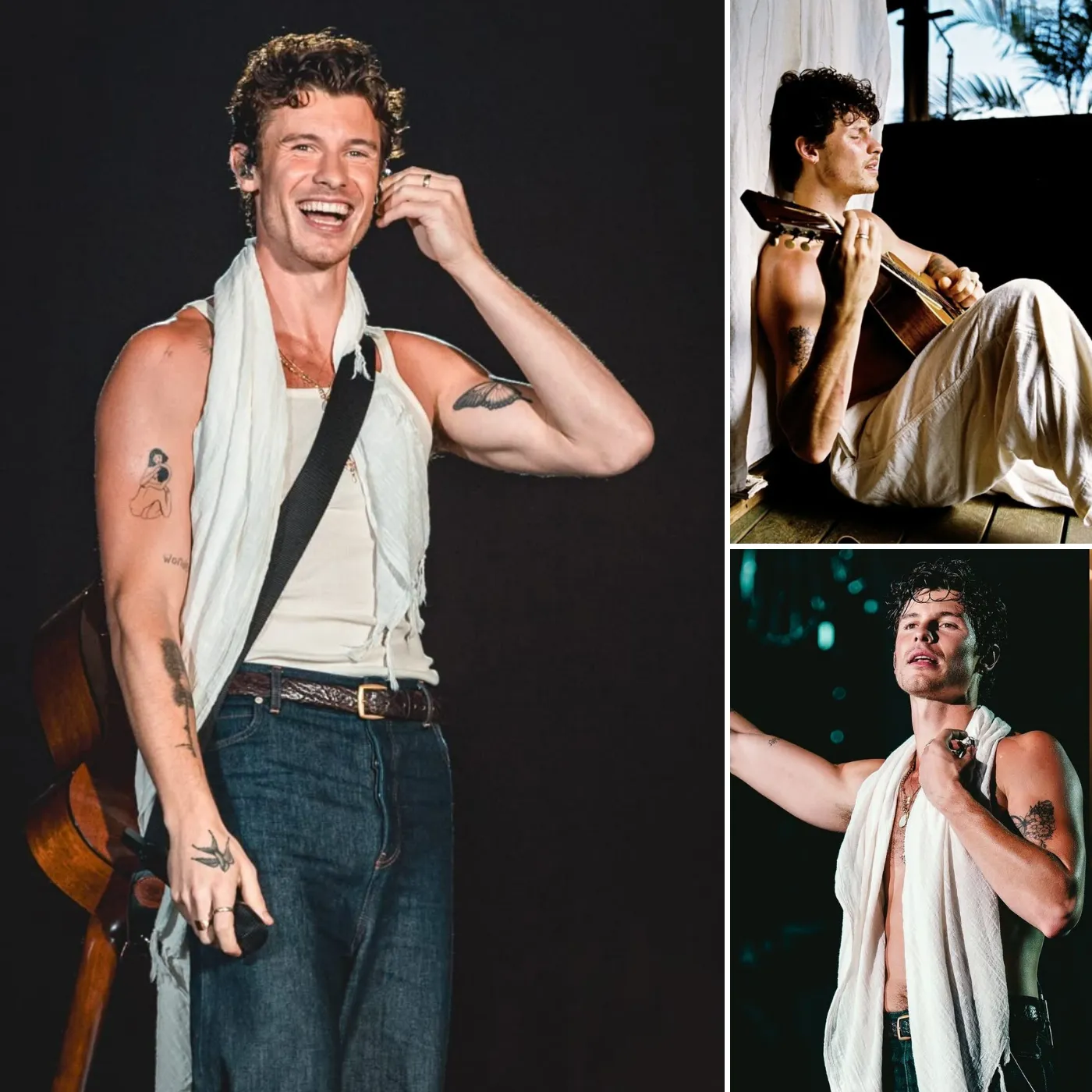
For decades, the music industry has shaped the way society views masculinity. From the rebellious rockstars of the ‘70s to the hyper-masculine rappers of the 2000s, male musicians have often been expected to uphold a certain image—one that exudes confidence, dominance, and emotional detachment. Vulnerability? Sensitivity? Those were seen as weaknesses, not strengths.
But times are changing.
One artist at the forefront of this shift is Shawn Mendes, the Canadian singer-songwriter who skyrocketed to fame as a teenage heartthrob. While Mendes first entered the music scene with a clean-cut, boy-next-door image, his evolution into a more open, introspective, and emotionally raw artist has sparked an industry-wide conversation:
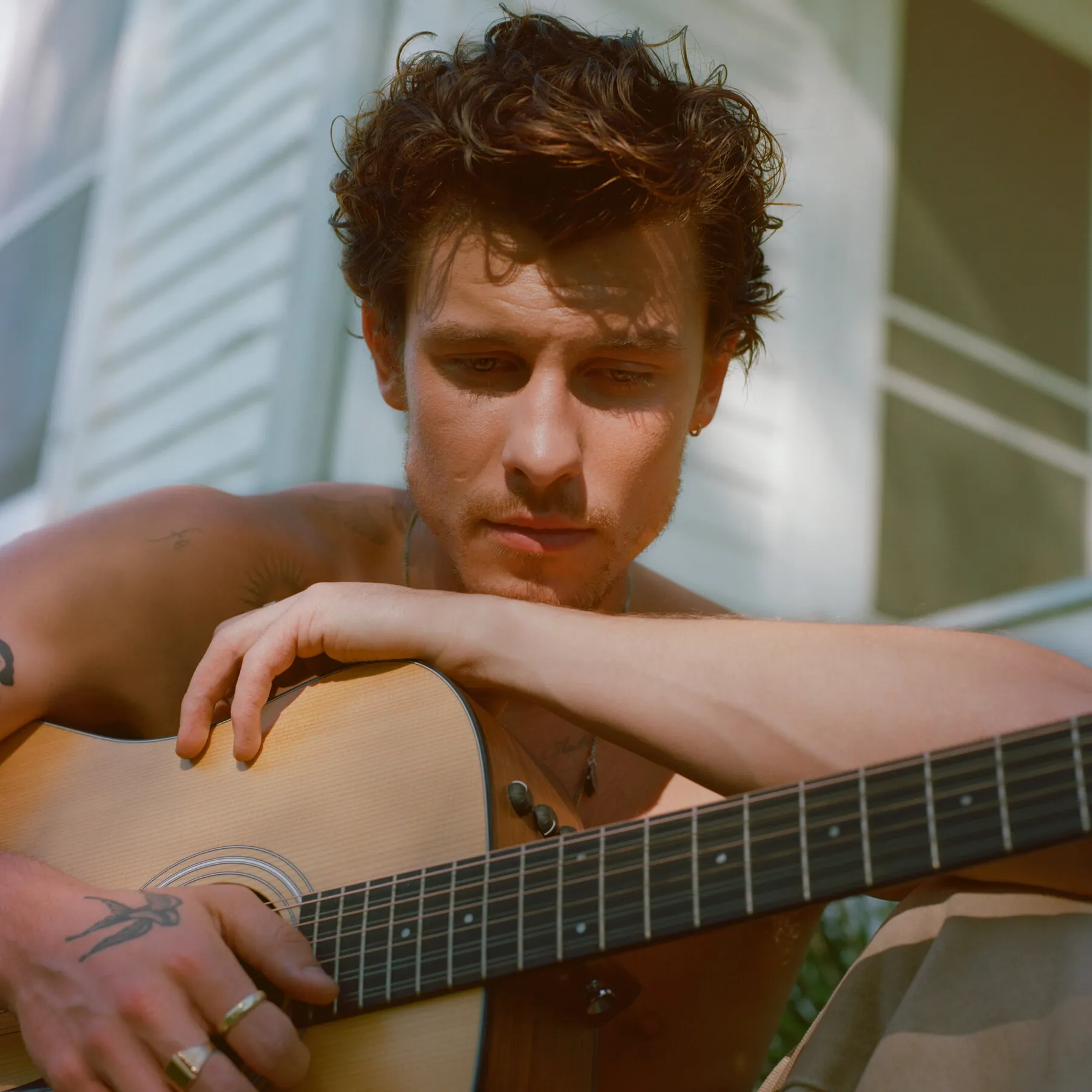
Is the era of toxic masculinity in music finally coming to an end?
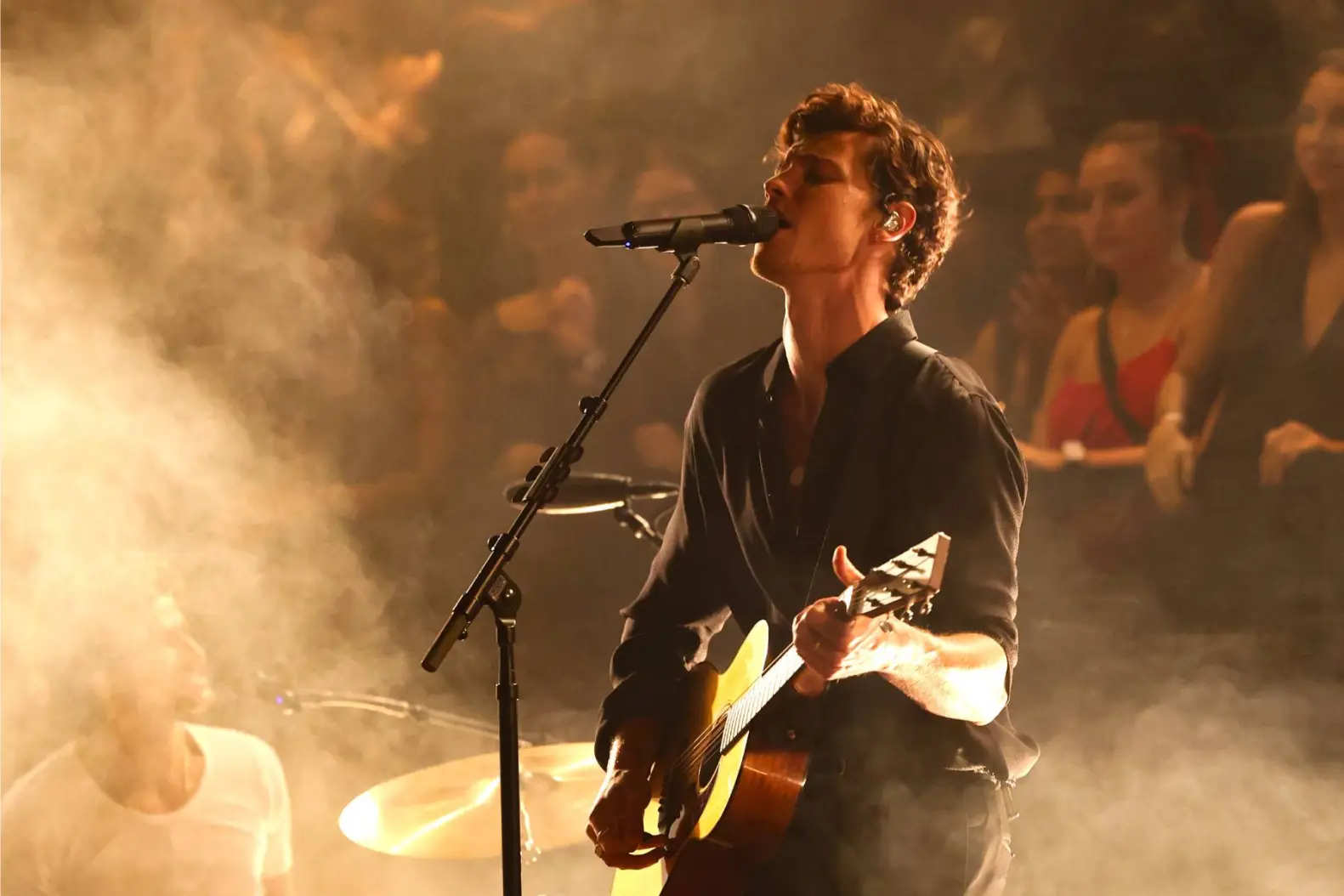
From Teen Idol to Emotional Trailblazer
When Shawn Mendes first gained popularity, his appeal was clear: he was young, good-looking, and had a voice made for radio-friendly love ballads. Songs like Stitches, Treat You Better, and There’s Nothing Holdin’ Me Back reinforced the idea that he was the perfect pop star—romantic, charming, and completely unthreatening.
But as Mendes grew older, so did the expectations surrounding him. Like many male artists before him, he could have easily leaned into the classic pop-star archetype, becoming another polished, marketable celebrity who avoided discussing anything too personal or controversial. Instead, Mendes did the exact opposite.
He started opening up.
In multiple interviews, Mendes has spoken candidly about his struggles with anxiety, self-doubt, and the immense pressure he feels to uphold a specific kind of masculinity. In a 2021 interview, he admitted to questioning his own identity as a man, expressing how difficult it was to constantly feel like he needed to be “strong” and “in control” in the public eye.
This level of self-reflection and vulnerability was almost unheard of for a mainstream male pop star. Suddenly, Mendes wasn’t just another celebrity heartthrob—he was a young man struggling with the same fears and insecurities as millions of others.
And people took notice.
Breaking the Chains of Toxic Masculinity
For decades, male musicians were expected to fit into one of a few rigid categories. You were either:
- The bad boy rockstar, reckless and emotionally detached.
- The swagger-filled rapper, flaunting wealth, women, and dominance.
- The polished pop icon, charming yet mysterious, always in control.
These images reinforced toxic masculinity, the idea that men should always be strong, unemotional, and in charge. Expressing vulnerability, discussing mental health, or even openly embracing a softer side was often seen as career suicide.
But Mendes’ approach is different. He has publicly challenged the notion that being a man in music means suppressing emotions. Instead of shying away from his struggles, he has leaned into them—sharing personal battles with anxiety, therapy, and even self-esteem issues.
In 2022, Mendes shocked fans when he canceled his world tour to focus on his mental health. The decision, while difficult, was met with widespread support. For the first time, a major male pop star was prioritizing his well-being over commercial success—a move that shattered the age-old belief that artists should always “push through” no matter the cost.
Mendes’ transparency isn’t just a personal choice; it’s a cultural statement. By speaking so openly, he is challenging the long-held belief that men in music should be invincible, detached, and unaffected.
Genuine Change or Just Good Marketing?
While Mendes’ openness has been widely praised, not everyone is convinced that it’s entirely authentic. Some critics argue that his shift toward emotional vulnerability is simply a branding strategy—a way to stay relevant in an industry that increasingly values mental health awareness and authenticity.
After all, we’ve seen artists reinvent themselves before. Celebrities often adjust their image to align with cultural trends, and soft masculinity is becoming more mainstream. Mendes’ emotional transparency could be seen as a carefully calculated move to maintain his popularity in a changing industry.
But even if it is partially strategic, does that make it any less impactful?
Regardless of the motivations, the effect is undeniable. Mendes has created space for other male artists to be vulnerable, inspiring a shift in how men express themselves in music and media.
Artists like Harry Styles, Justin Bieber, and even hip-hop figures like Kid Cudi have followed suit, embracing a more open and emotionally honest approach to their music and public personas. The idea of a sensitive male musician is no longer an anomaly—it’s becoming the norm.
What Comes Next for Mendes—and for Music?
Regardless of his motivations, one thing is undeniable: Mendes’ impact is being felt across the industry. Other male artists, from Harry Styles to Justin Bieber, have also begun embracing a softer, more introspective approach to their music and public personas. Even traditionally hard-edged genres like hip-hop and rock are seeing a shift, with more artists speaking openly about mental health and emotions.
So, is Shawn Mendes leading a revolution? Or is he simply a symptom of a changing world? Whatever the case, his journey from pop prince to emotional trailblazer is reshaping the way we think about masculinity in music.
One thing is certain: The days of the emotionless, untouchable male superstar are numbered. And Mendes might just be the artist who buries that outdated archetype for good.
The Future of Masculinity in Music
So, what comes next?
If Mendes’ career is any indication, the days of toxic masculinity in music are numbered. Fans are increasingly drawn to genuine storytelling, emotional honesty, and artists who aren’t afraid to be human. The age of the emotionally detached male superstar may be coming to an end.
But that doesn’t mean change will happen overnight. There are still parts of the music industry, particularly in genres like hip-hop and rock, where traditional masculinity reigns supreme. The shift toward emotional openness is still met with resistance in some circles.
However, the cracks are forming. Mendes, along with a growing number of artists, is proving that vulnerability isn’t a weakness—it’s a strength.
And as more musicians follow his lead, the question isn’t whether the industry will change—it’s how quickly.
One thing is certain: Shawn Mendes’ open heart has started a movement. Whether intentional or not, he has become a symbol of a new era in music—one where men are allowed to be just as raw, emotional, and imperfect as everyone else.
And that might just be the most radical change the industry has seen in decades.



Post Comment