Kendrick Lamar’s Super Bowl Halftime Show: The Deeper Meaning Behind the Muscle Car
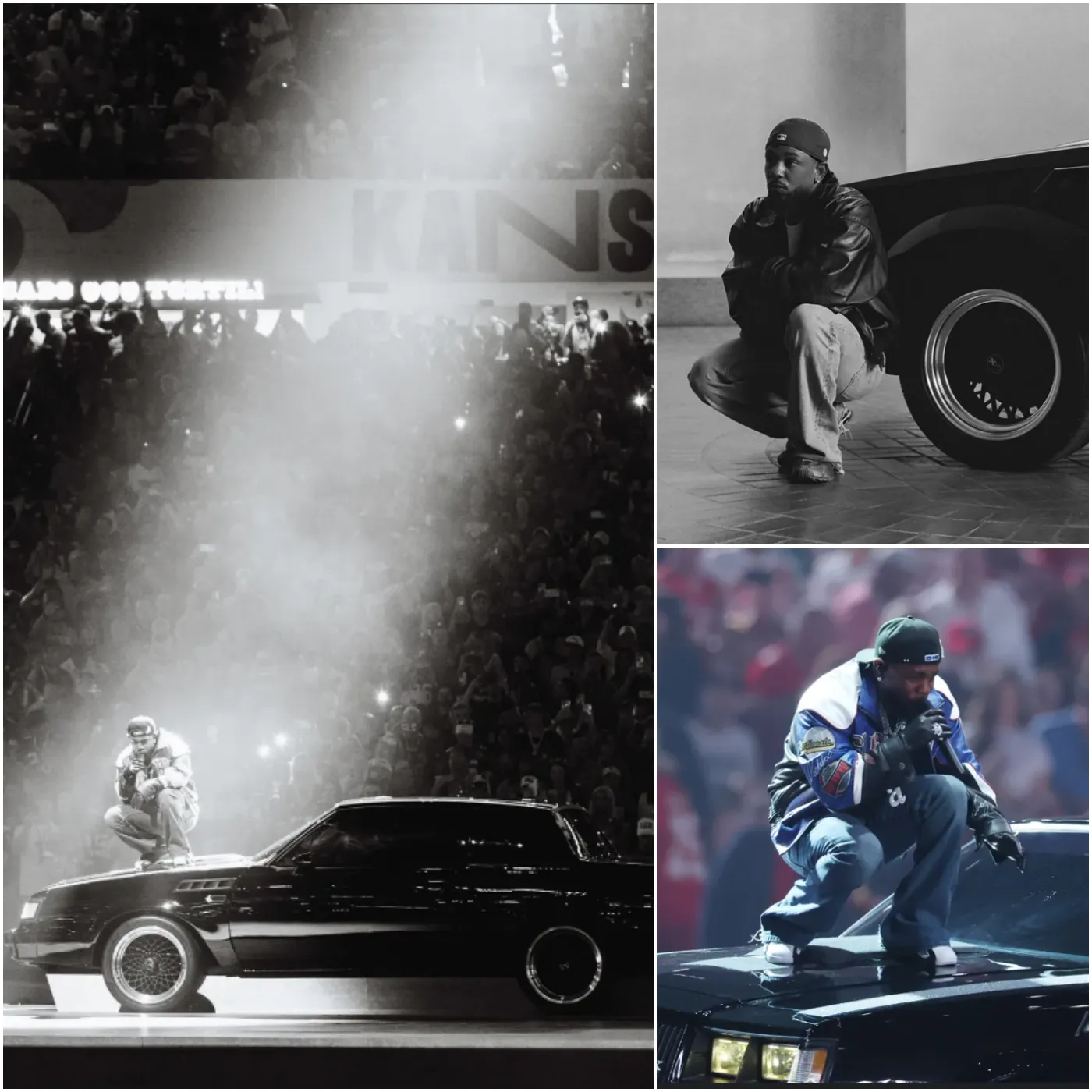
Kendrick Lamar’s Super Bowl halftime performance was packed with symbolism, cultural references, and iconic moments that left fans talking long after the game ended. From his thought-provoking lyrics to the carefully choreographed stage design, Lamar once again proved why he is one of the most influential artists of this generation. However, one element of his performance stood out to car enthusiasts and hip-hop historians alike—the muscle car at the center of the show. Kendrick Lamar’s halftime performance at the Super Bowl was rife with Easter eggs, including an entourage of well-scripted and influential celebrity appearances, symbolic messages through lyrics, choreography, and larger-than-life set designs ultimately making a very memorable showcase.
The 1987 Buick GNX, which Lamar stood atop at the beginning of his performance, is far more than just a car—it’s a powerful symbol that represents both Lamar’s personal history and American automotive heritage. But why did Lamar choose this particular vehicle? And what does it mean in the larger context of his performance?
Kendrick Lamar’s Super Bowl Performance: A Showcase of Culture and Symbolism
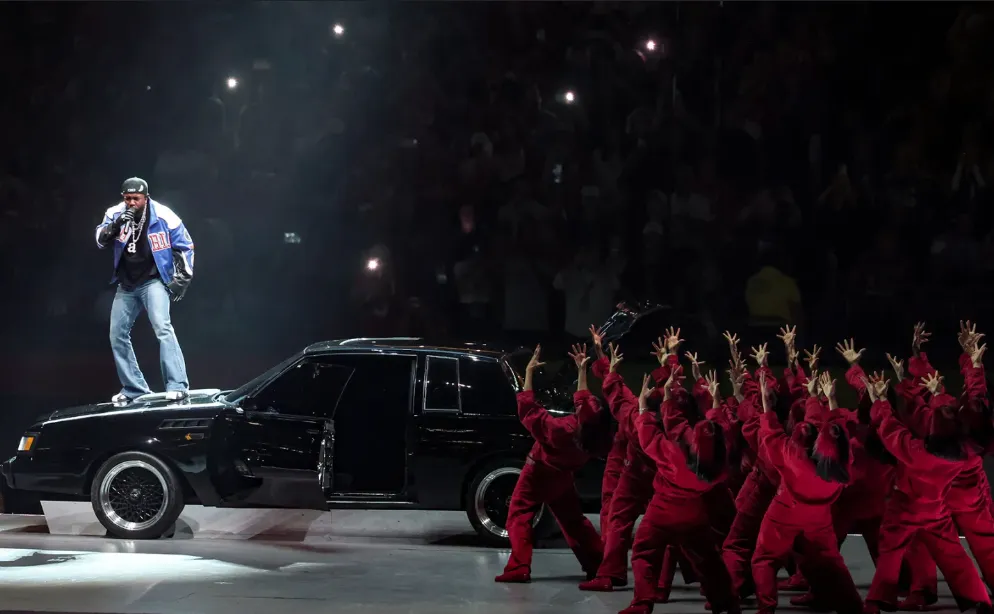
Lamar’s Super Bowl halftime show was filled with hidden messages and cultural references, making it one of the most talked-about performances in recent history. Fans quickly dissected his visual choices, from the Squid Game-inspired stage setup to the split American flag costumes worn by his dancers.
One of the most striking moments came when Lamar performed “Not Like Us,” his viral diss track aimed at Drake. The song, which dominated headlines for months, was given a grand stage at the Super Bowl, effectively solidifying Lamar’s dominance in the rap feud that had captivated fans worldwide. The presence of celebrities like Serena Williams, SZA, and Samuel L. Jackson, who portrayed Uncle Sam, further amplified the cultural impact of the performance.
However, beyond the star power and lyrical jabs, there was another, more subtle statement being made—the Buick GNX at the center of the stage.
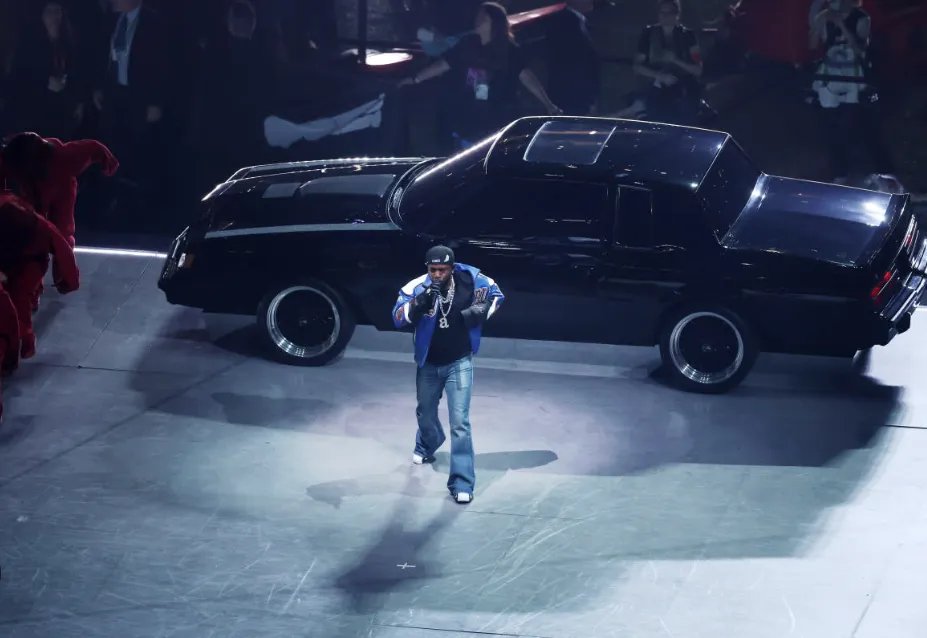
The 1987 Buick GNX: More Than Just a Car
For casual viewers, the black muscle car that played a central role in Lamar’s performance may have seemed like just a stylish prop. But for those who know Lamar’s personal history and the significance of the GNX, it was a deeply meaningful choice.
A Nod to Lamar’s Roots
Lamar has always been intentional with his imagery, and the choice of the Buick GNX was no accident. In fact, Lamar has a personal connection to this car—his father drove him home from the hospital in a 1987 Buick Regal, which is the base model for the GNX.
By featuring the GNX at the Super Bowl, Lamar was paying tribute to his origins, reinforcing the theme of growth, legacy, and perseverance. The car represents both his journey in hip-hop and his personal evolution as an artist.
The GNX’s Place in Automotive History
Beyond Lamar’s personal connection, the Buick GNX is an iconic vehicle in American muscle car history. Originally released in 1987, the GNX (Grand National Experimental) was known for its high-speed performance and striking blacked-out design.
-
Only 547 units were ever produced, making it a rare collector’s item today.
-
At the time of its release, it was faster than a Ferrari and could outperform some of the top supercars.
-
The GNX was the final evolution of the Buick Grand National, which had dominated NASCAR in the early 1980s.
-
It was built in Pontiac, Michigan, making it a symbol of American automotive innovation.
When it was first introduced, the GNX had a price tag of just under $30,000, but today, some models sell for over $170,000, a testament to its lasting impact and desirability.
By standing atop this legendary muscle car, Lamar not only honored his personal roots but also celebrated Detroit’s rich automotive history, linking the Super Bowl halftime performance to a larger American narrative.
Lamar’s GNX Album: A Tribute to the Iconic Vehicle
Lamar’s connection to the Buick GNX doesn’t end with the Super Bowl performance. In November 2024, he surprised fans by dropping an album titled “GNX”, further cementing the car’s significance in his life and career. The long-awaited battle seemed to have ended as fans on either side acknowledged Lamar’s triumph, through the Grammy wins and especially after the Super Bowl halftime performance.
The album’s themes revolve around legacy, competition, and resilience, all of which align with the symbolism of the Buick GNX. The title track “gnx” delves into these themes, drawing parallels between the speed and power of the car and Lamar’s own dominance in hip-hop.
The Impact of Lamar’s Super Bowl Performance
The Super Bowl halftime show is one of the biggest stages in the world, with millions tuning in each year. Lamar’s performance shattered records, drawing an astonishing 133.5 million viewers, making it the most-watched halftime show in NFL history.
Beyond the numbers, the cultural significance of the performance was undeniable. From his visual storytelling to his lyrical mastery, Lamar once again proved why he is a once-in-a-generation artist.
Final Thoughts: Why the Buick GNX Was the Perfect Symbol
Lamar’s choice to feature the Buick GNX at the Super Bowl halftime show was far more than just an aesthetic decision—it was a powerful statement. The car represents:
-
Lamar’s personal history, as the model is tied to his earliest memories.
-
His album “GNX,” which explores themes of resilience, competition, and legacy.
-
The legacy of American muscle cars, particularly the impact of the GNX in the 1980s.
-
A tribute to Detroit and the automotive industry, recognizing its role in shaping American culture.
With this performance, Kendrick Lamar once again demonstrated his genius for blending music, storytelling, and cultural commentary. The Buick GNX was more than just a car on stage—it was a symbol of history, heritage, and personal triumph. The Kendrick Lamar Super Bowl halftime show drew 133.5 million viewers, making it the most-watched in NFL history.
As fans continue to analyze every aspect of his Super Bowl performance, one thing is clear: Lamar’s ability to weave deep meaning into every detail is what makes him one of the greatest artists of our time.




Post Comment