The Rise of the Trillion-Dollar Club: Five Billionaires on Track to Reach $1 Trillion
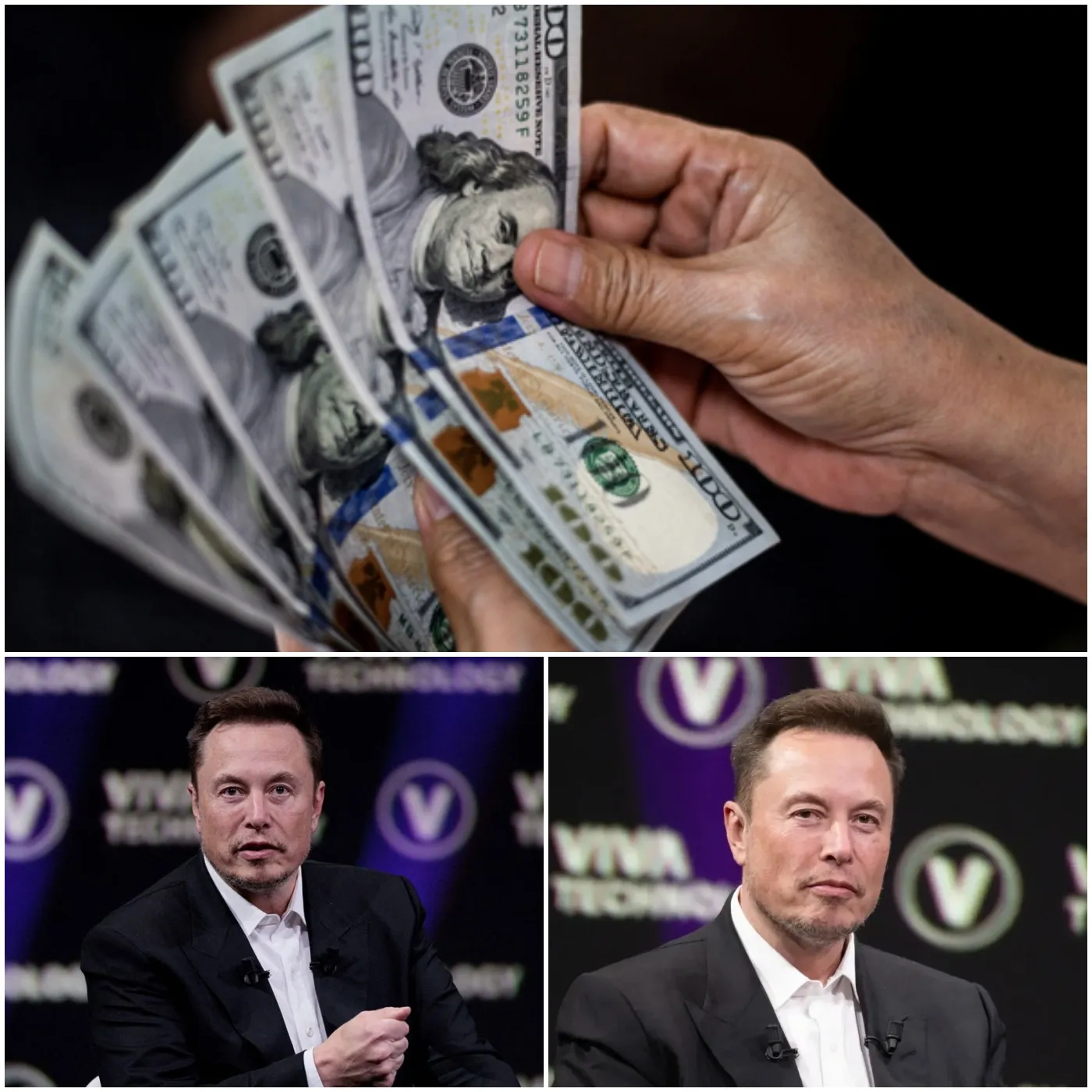
Elon Musk is on track to become the world’s first trillionaire within the next five years, thanks to the rapid growth of his ventures, including Tesla, SpaceX, and xAI. Financial analysts predict that his net worth will soar past the trillion-dollar mark as demand for electric vehicles, space exploration, and artificial intelligence continues to rise.
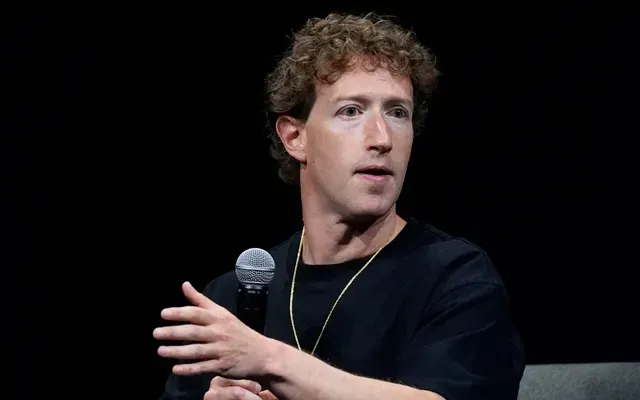
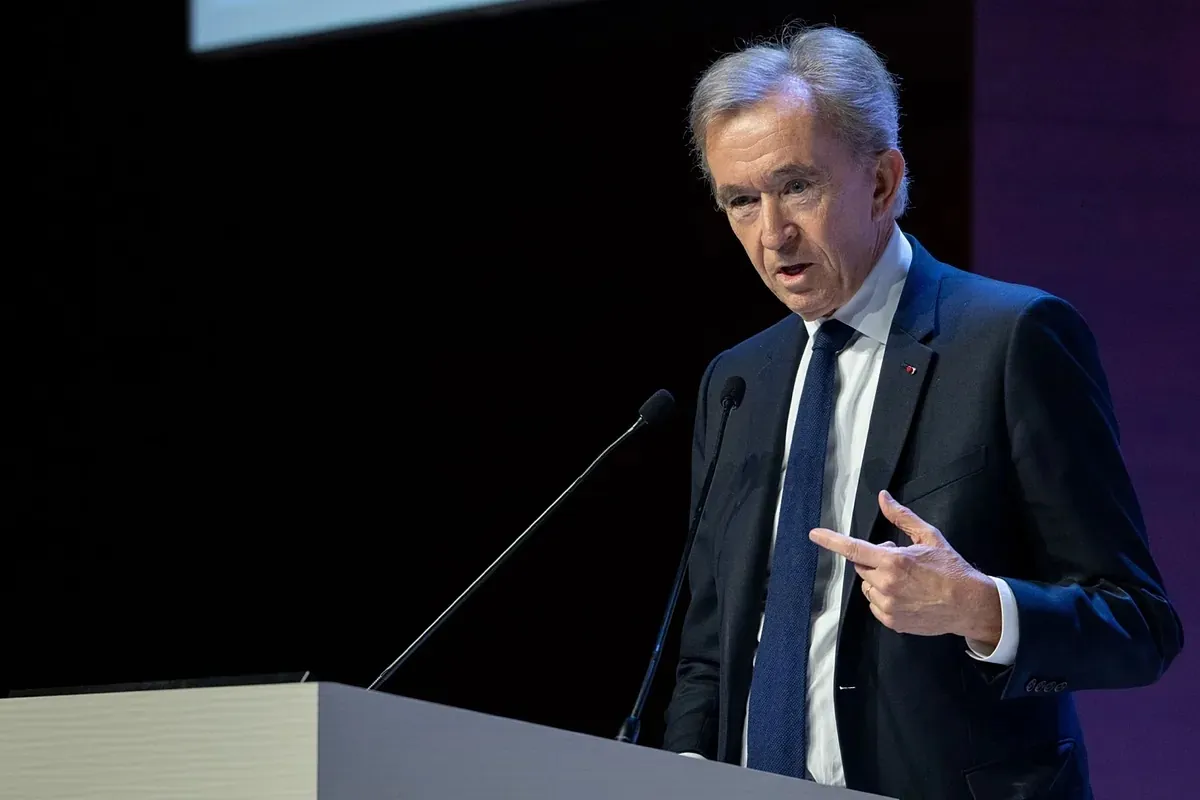
Meanwhile, other billionaires such as Jeff Bezos, Larry Ellison, Mark Zuckerberg, and Bernard Arnault are also projected to see massive increases in their wealth, positioning them as potential contenders in the race to reach the trillionaire milestone. However, Musk remains the frontrunner, with his diverse portfolio and ambitious innovations setting him apart.
A Historic Wealth Milestone
A new report released on January 19, predicts that five individuals could surpass the $1 trillion mark in personal wealth within the next decade—if current trends persist.
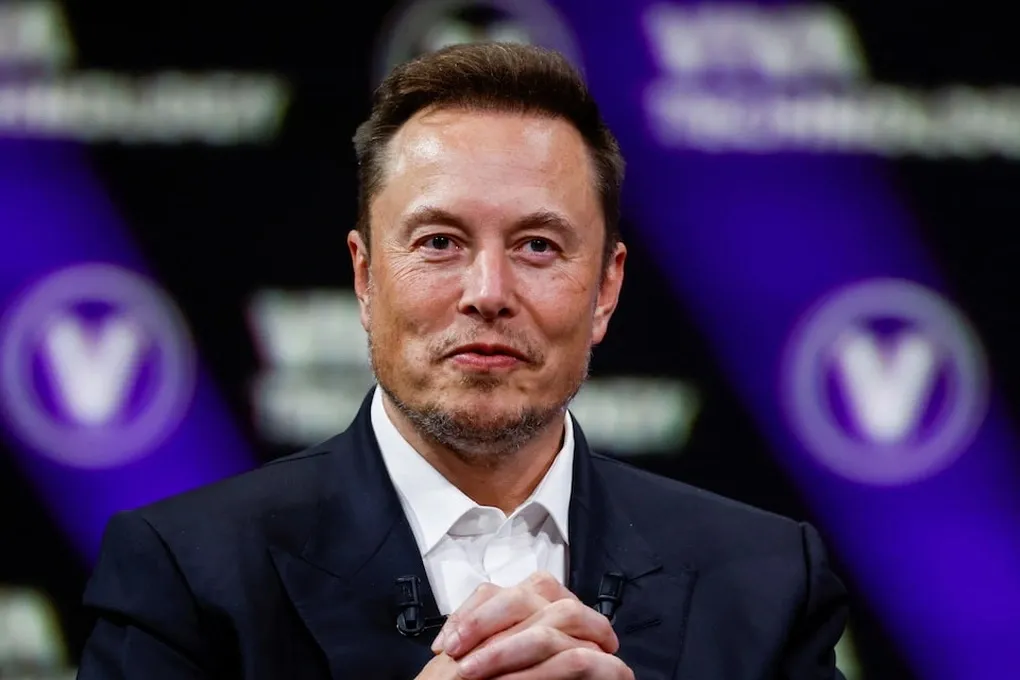
Topping the list is Tesla CEO Elon Musk, currently the world’s richest person, with a net worth exceeding $430 billion. According to Oxfam’s analysis, Musk is set to reach the $1 trillion milestone in less than five years.
Other billionaires projected to join the trillion-dollar club include:
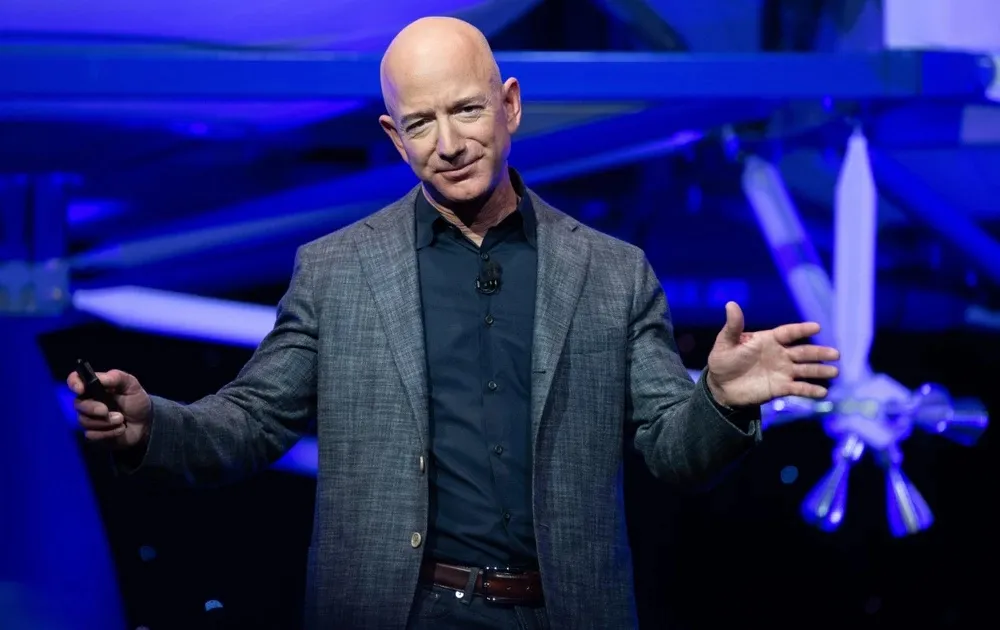
– Jeff Bezos, founder of Amazon
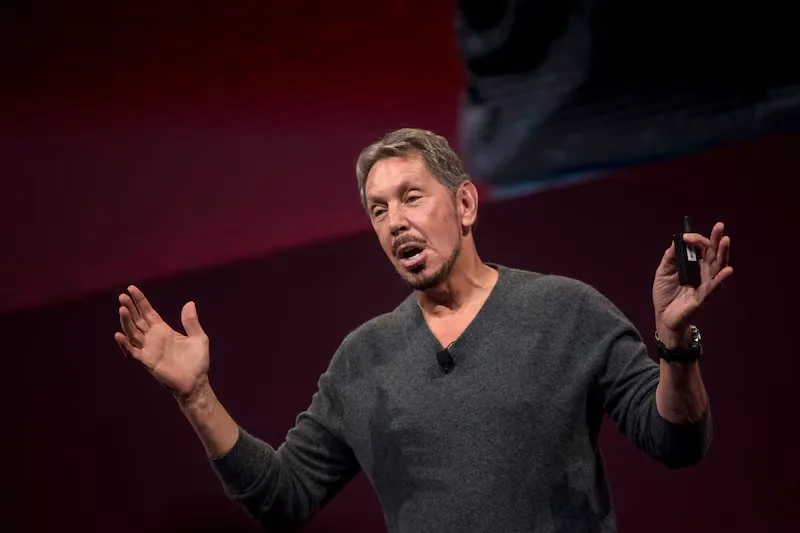
– Larry Ellison, founder of Oracle
– Mark Zuckerberg, CEO of Meta
– Bernard Arnault, CEO of LVMH
These predictions are based on Forbes data and were released ahead of the World Economic Forum (WEF) in Davos, Switzerland.
Soaring Stock Markets Fuel Billionaire Wealth
The report highlights 2024 as a record-breaking year for the world’s richest individuals, largely due to the booming U.S. stock market. Oxfam noted that the pace of wealth accumulation among billionaires has been so rapid that they had to revise last year’s forecast significantly.
In 2023, Oxfam predicted that the first trillionaire would emerge within a decade. However, just a year later, their projections now suggest this milestone will be reached much sooner.
“This level of wealth concentration is unimaginable. Extreme inequality is not something to celebrate,” said Rebecca Riddell, head of policy research at Oxfam America.
The Billionaire Boom vs. Global Poverty
The number of billionaires worldwide surged by over 200 in 2023, bringing the total to 2,770. Meanwhile, their combined net worth skyrocketed by $2.1 trillion, reaching a staggering $15 trillion.
Yet, despite this immense wealth accumulation, global poverty remains unchanged.
Oxfam cited World Bank data, showing that the number of people living in poverty today is roughly the same as in 1990—a stark contrast to the wealth explosion among the world’s richest.
Inheritance and Tax Loopholes Fuel Wealth Concentration
A significant portion of global billionaires owe their fortunes to inheritance rather than self-made success.
– More than a third of the world’s billionaires inherited their wealth
– All billionaires under 30 received their wealth from family
According to Oxfam, 30% of countries do not impose inheritance taxes, allowing ultra-rich families to pass down immense fortunes tax-free. Many billionaires also exploit loopholes to shield their wealth from taxation.
“We are on the verge of the largest transfer of wealth in human history, with virtually no tax implications,” Riddell warned.
Oxfam is calling on governments to implement fair taxation policies targeting both the ultra-rich and large corporations to curb rising inequality.
The Future of Global Wealth
As billionaires accumulate wealth at an unprecedented pace, the gap between the ultra-rich and the rest of the world continues to expand.
With the first trillionaire potentially emerging within five years, Oxfam’s report highlights pressing concerns about:
– Growing wealth inequality
– The deepening global poverty crisis
– Economic opportunities and challenges ahead
Will rising fortunes lead to greater innovation and progress, or will economic disparities continue to widen? The impact of this shift could reshape global economies and societies for generations to come.




Post Comment