Elon Musk’s Starship Rocket Stage Explodes, Sending Fiery Debris Raining Down!

In its seventh test launch, SpaceX successfully captured the lower booster stage of its Starship rocket using its “chopstick” recovery system. However, the mission took a dramatic turn when the upper stage exploded, affecting multiple flights and airspace operations.
A Landmark Test for the Starship Program
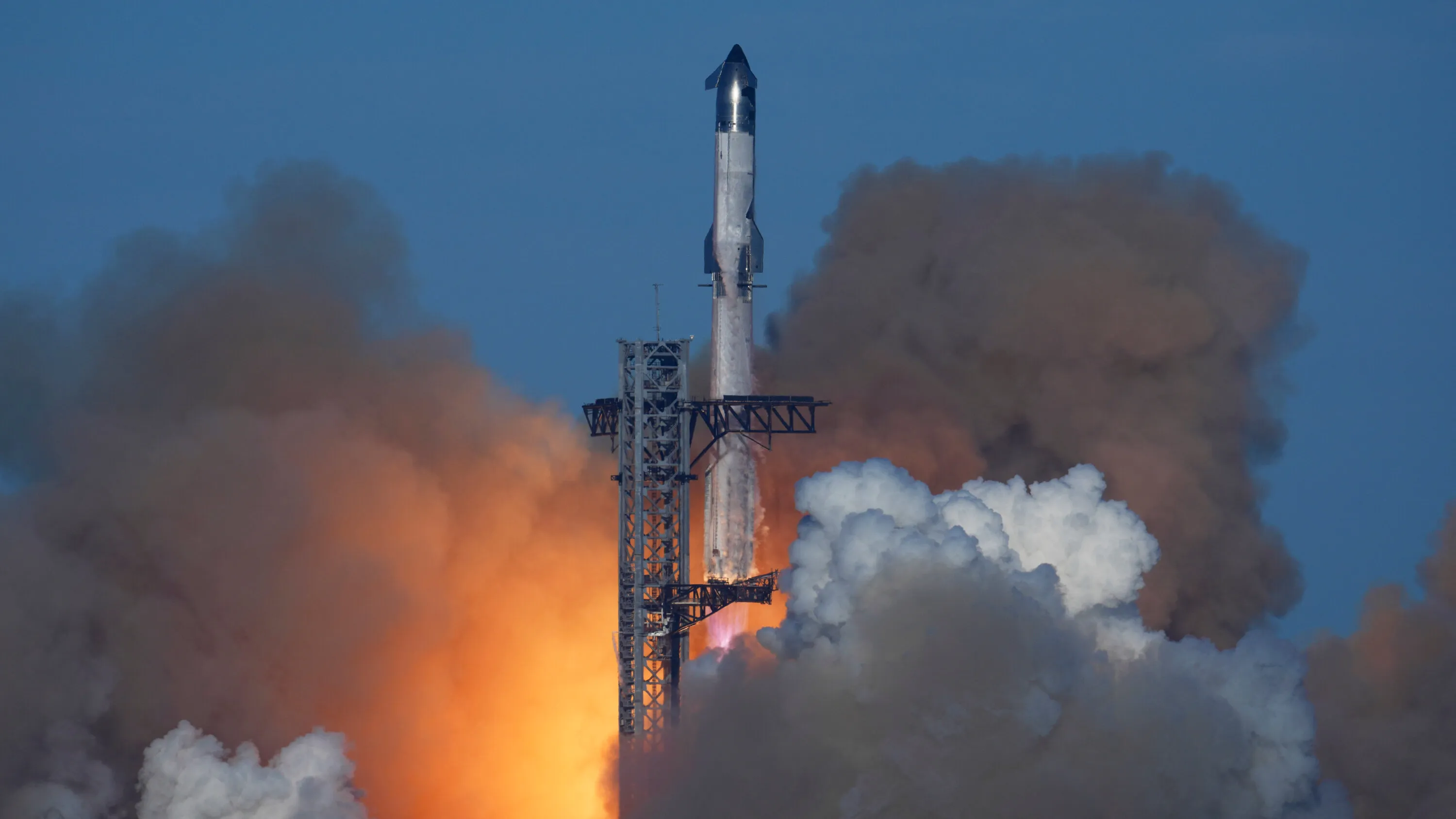
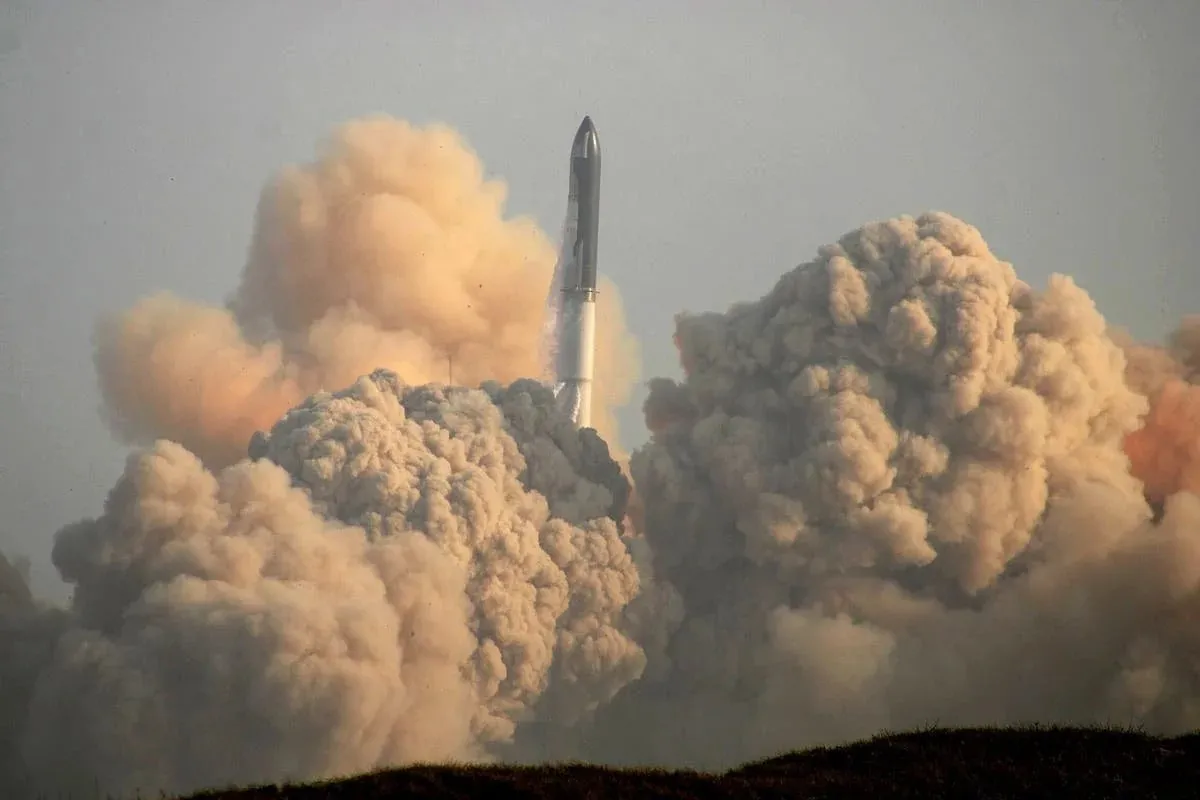
SpaceX launched its Starship rocket system from the Starbase facility in South Texas at 5:37 p.m. on January 16 (5:37 a.m. on January 17, Hanoi time). The fully reusable Starship system, standing over 120 meters tall, is the most powerful and largest rocket ever built.
A major highlight of the test was the successful landing of the Super Heavy booster stage, which houses 33 Raptor engines. SpaceX used its “chopstick” recovery method, in which mechanical arms attached to the launch tower catch the booster mid-air as it descends. This was the second successful attempt of this technique, marking a significant milestone in SpaceX’s goal of rapid rocket reusability.
Unexpected Explosion of the Upper Stage
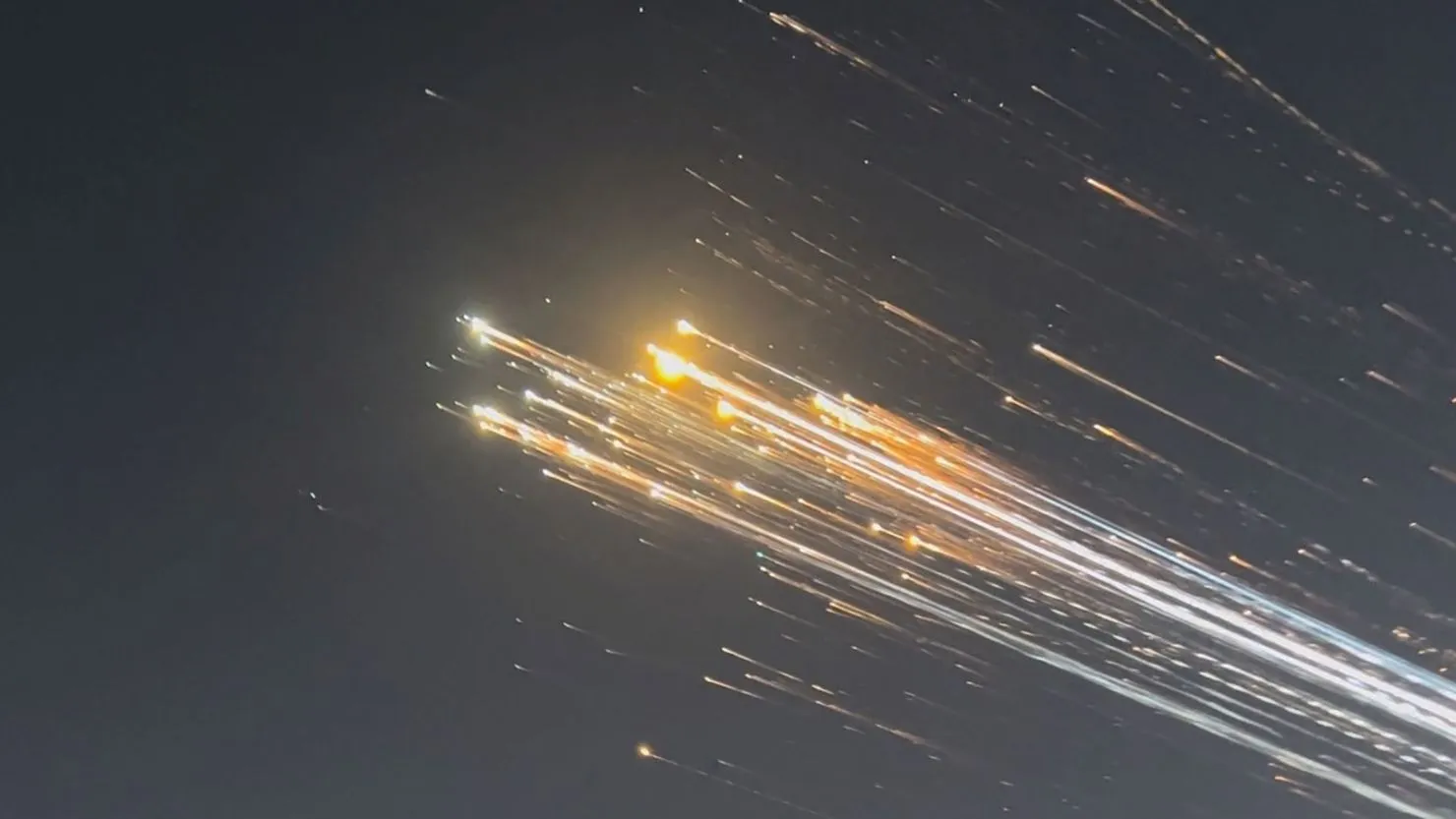
While the booster stage recovery was a success, the upper stage of Starship encountered a critical failure.
– 8.5 minutes after liftoff, SpaceX lost contact with the upper stage.
– Kate Tice, SpaceX’s senior manager of quality systems engineering, confirmed: “We lost the ship.”
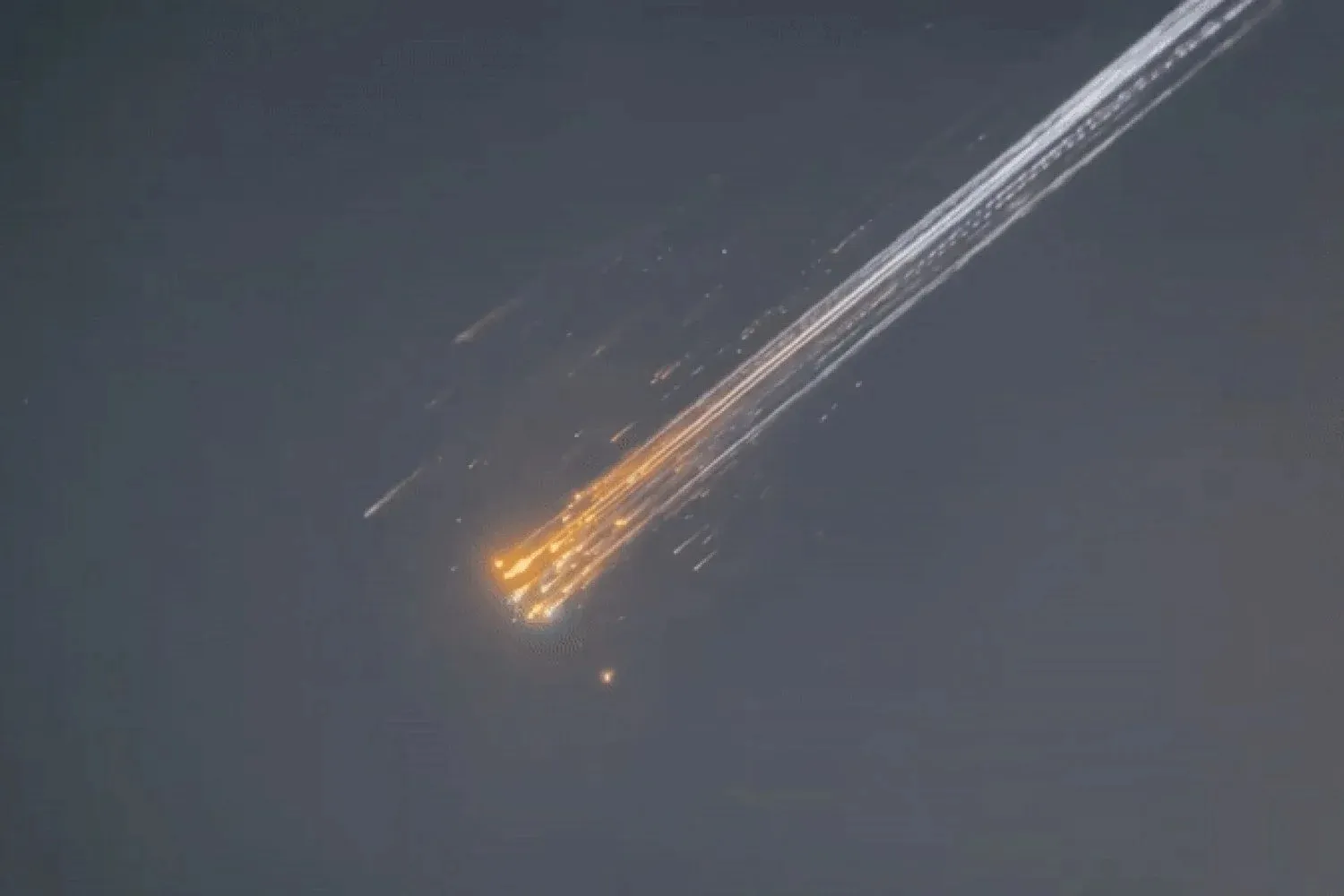
– SpaceX later announced that the Starship upper stage broke apart during engine ignition and ascent.
SpaceX engineers are currently reviewing flight data to determine the exact cause of the failure.
Elon Musk’s Response to the Incident
Following the explosion, SpaceX CEO Elon Musk shared preliminary findings: “Initial indicators suggest that Starship had an oxygen/fuel leak in the chamber above the rocket engine firewall. This led to overpressurization of the vent (the firewall is the section separating the engine from the rest of the spacecraft).”
To prevent future failures, Musk stated that SpaceX will:
– Enhance leak testing
– Install fire suppression systems
– Possibly increase the vent area
Despite the setback, Musk reassured that improved versions of both the Starship upper stage and the Super Heavy booster are already in production and will be launched soon.
Starship Recovery Remains a Challenge
To date, SpaceX has not yet recovered any Starships from space launches.
– All Starship vehicles that have reached space have ended up in the Indian Ocean.
– The upper stage in this latest test was also expected to be lost in the ocean, but instead failed shortly after launch.
Impact on Commercial Flights
The explosion had ripple effects beyond the SpaceX launch site, impacting commercial air travel:
– Multiple flights were diverted to alternate airports to avoid potential debris.
– Departures from Miami and Fort Lauderdale, Florida, were delayed by approximately 45 minutes.
– The Federal Aviation Administration (FAA) temporarily rerouted and slowed air traffic in the affected area.
FAA regulations require that airspace be closed for launches and reentry. However, in cases of unexpected spacecraft anomalies, the FAA can create “debris response zones” to ensure aircraft avoid hazardous areas.
Fortunately, the FAA confirmed that no injuries or property damage resulted from the Starship debris.
What’s Next for SpaceX?
Despite this setback, SpaceX remains committed to perfecting Starship’s design. The company aims to:
– Improve Starship’s reliability through enhanced safety measures
– Continue rapid testing and iteration with upgraded prototypes
– Achieve full reusability, where both the booster and upper stage are recovered and reused
With each test, SpaceX is pushing the boundaries of next-generation spaceflight, bringing humanity closer to a future of interplanetary travel and Mars colonization.




Post Comment