SZA, 21 Savage, and the Music Industry Revolution: When Artists Take Control

SZA, 21 Savage, and the Music Industry Revolution: When Artists Take Control
In the digital age, young artists are gaining more control over their careers than ever before. Thanks to the power of social media platforms and music streaming services, they are no longer entirely dependent on record labels to reach their audience. This shift has created a new wave in the music industry, where talented artists can build their own brands before signing contracts that work in their favor.
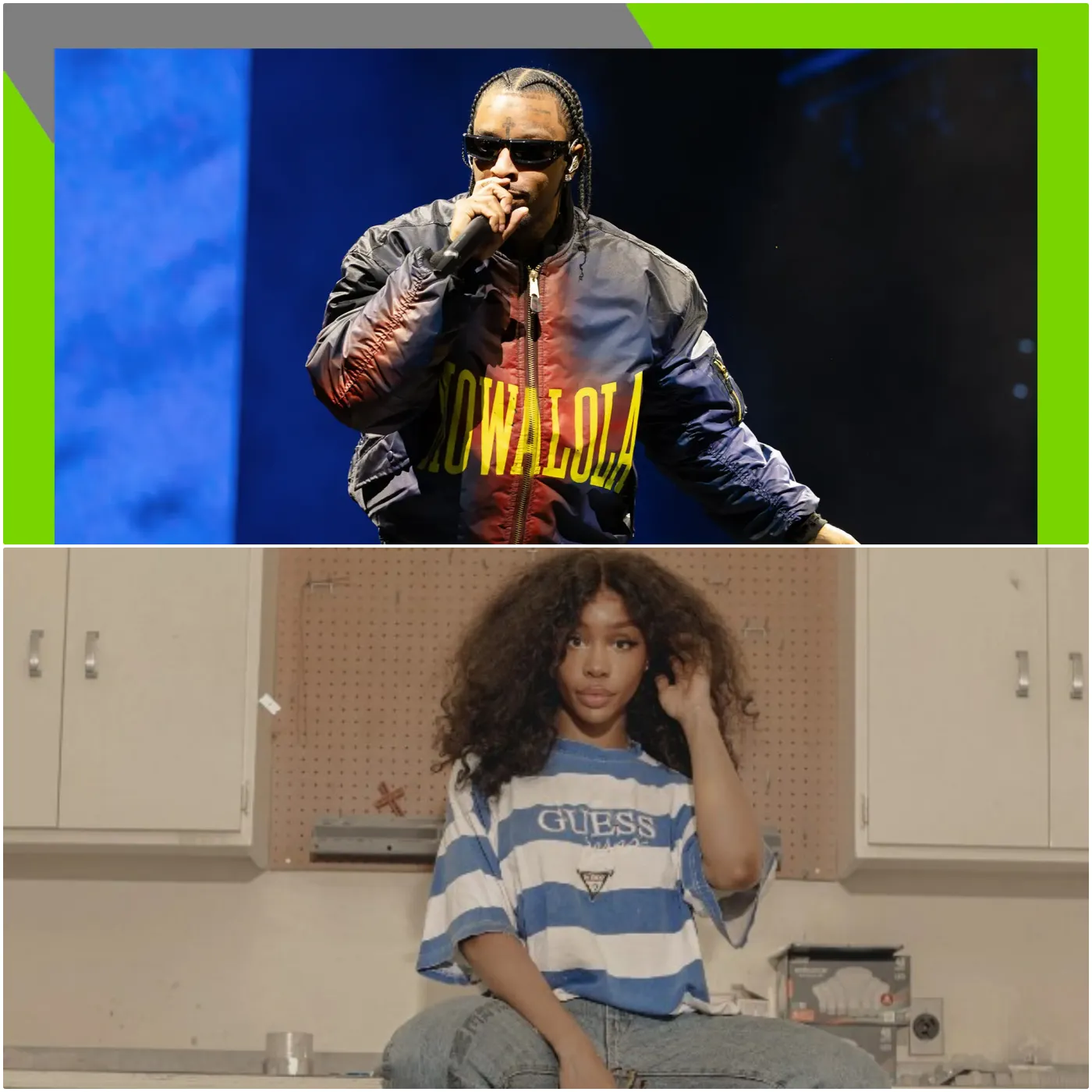
The Era of Artist Empowerment: SZA, 21 Savage, and the New Game
In the past, a major barrier for emerging artists was access to untapped markets of potential fans—something they traditionally needed a major label’s promotional power to achieve. However, with the rise of peer-to-peer streaming platforms like SoundCloud, Spotify, and Apple Music, talented artists can now cultivate and attract a massive audience before ever signing a major record deal.
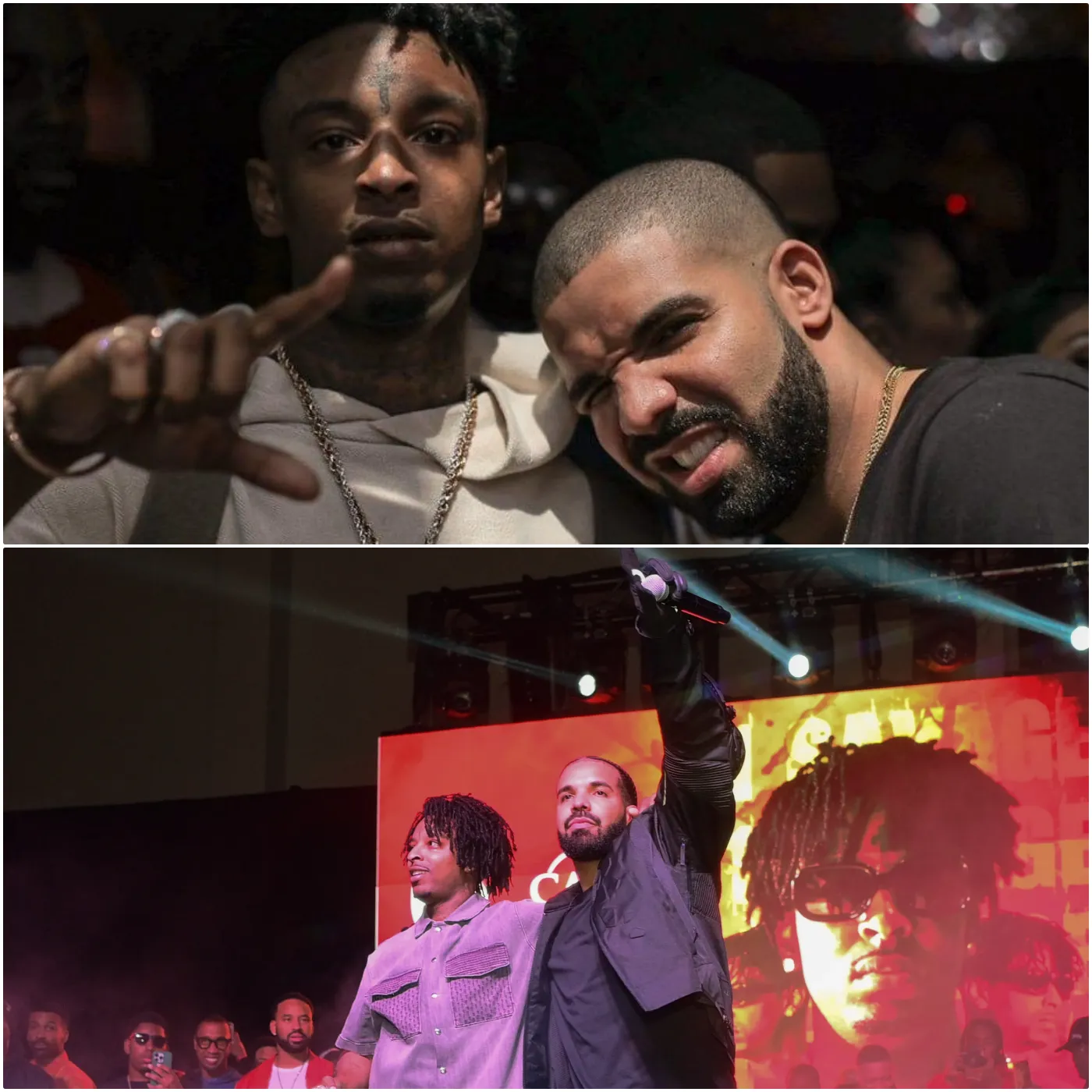
Russ, SZA, and 21 Savage are prime examples of this new generation—artists who understand how to leverage social media and streaming platforms to build their careers independently and secure groundbreaking contracts that were unheard of in the past.
Russ – Building a Music Empire from Scratch
Russ, a rapper/producer from New Jersey, is a testament to independent success. He spent over 10 years refining his craft, releasing 11 independent albums, and cultivating a loyal fan base before signing with a major label.
By the time he negotiated his deal, he had built enough leverage to secure a 50/50 profit-sharing agreement—a rarity for new artists. He explained:
“You either get a profit-sharing deal or a royalty deal. Royalty deals are garbage, but new artists don’t usually get a profit-sharing deal right away. I was able to. That had to be part of the story.”
SZA – Harnessing Social Media for a Breakthrough Deal
With her distinctive voice and unique R&B/neo-soul style, SZA used social media to expand her reach. With support from Top Dawg Entertainment (TDE), she secured a joint deal with RCA Records—a deal so strong that music mogul Jimmy Iovine took notice.
21 Savage – The Artist Who Owns His Master Recordings
21 Savage made one of the most strategic moves in contract negotiation. Thanks to the huge fanbase he had already built, when he signed with Epic Records, he was able to negotiate 100% ownership of his master recordings—an unprecedented achievement for a new artist.
By retaining ownership, 21 Savage ensured long-term financial control and artistic independence. This serves as an essential lesson for all rising artists: owning your master recordings is crucial for long-term success.
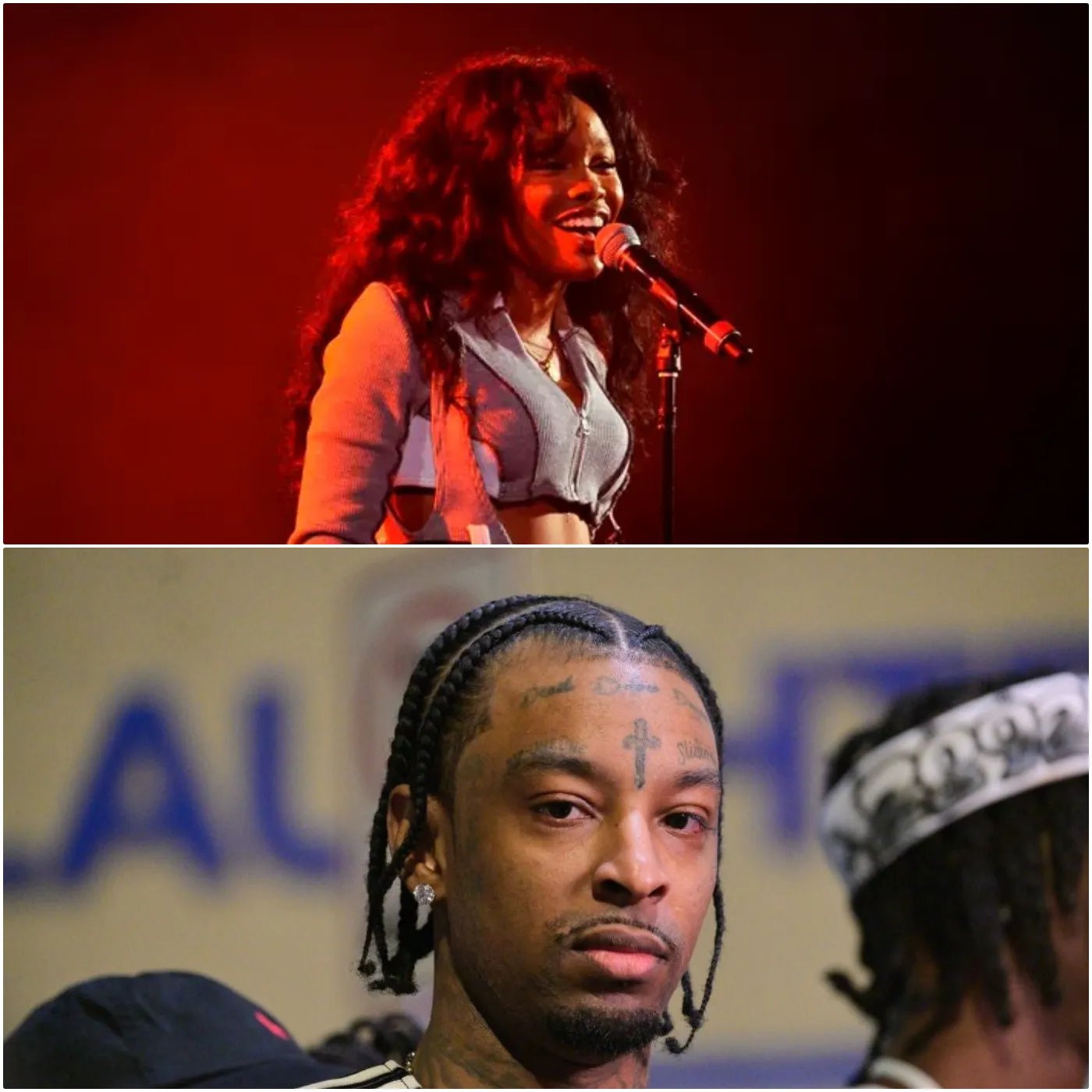
Lessons from Industry Legends: Prince and Paul McCartney
The music industry has witnessed numerous legal battles over ownership rights. Prince spent decades fighting for financial control over his catalog. Paul McCartney spent nearly 50 years reclaiming The Beatles’ extensive catalog.
These cases underscore the importance of securing ownership rights early, as they can define an artist’s legacy and earnings in the long run.
A New Era: Artists and Record Labels as Equal Partners
As Jimmy Iovine noted, the shifting power dynamics between artists and record labels are reshaping the industry. Artists today are not just looking for record deals—they are seeking the right partnerships to expand their brand.
When both artists and labels work together to develop fan communities, new business models emerge, opening doors never before imagined in the music industry.
What’s Next? The Future of Artist Empowerment
One thing is certain: artists who understand technology and the importance of ownership are entering a golden era with unprecedented opportunities. The question now is, who will be the next to rewrite the rules of the music industry?


Post Comment